
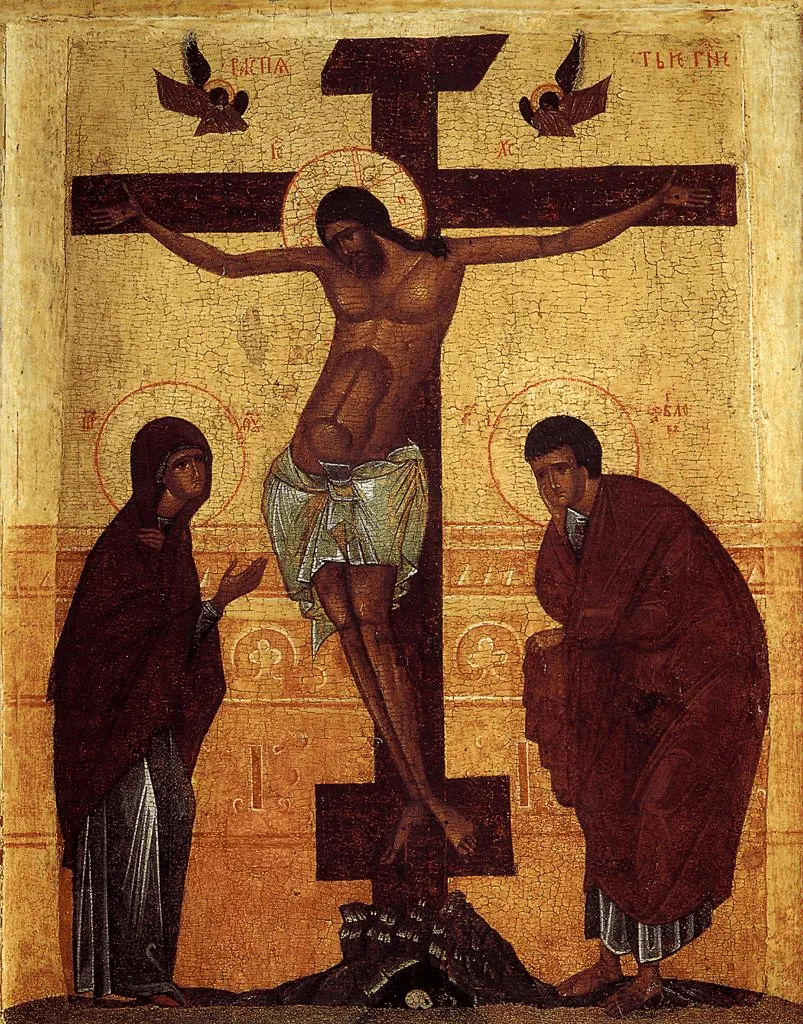
Protestantism: A Motherless Christianity – Reclaiming Mary’s Role in Our Faith
For centuries, theologians and believers have pondered a unique spiritual question: Has Protestantism become a motherless Christianity? During the 16th-century Reformation, reformers rightly sought to correct abuses and emphasize key biblical doctrines like Sola Scriptura and Sola Fide. However, in the process of rejecting papal authority and medieval traditions, something profound was minimized—the theological and spiritual significance of Mary, the Mother of Jesus.
Understanding Protestantism: A Motherless Christianity allows us to reflect on our history, examine biblical narratives, and discover rich faith and ministry resources to rediscover a vital aspect of our Christian heritage without compromising our core evangelical convictions.
What Does Protestantism: A Motherless Christianity Mean?
The phrase Protestantism: A Motherless Christianity highlights a striking historical contrast. While Catholic and Orthodox traditions honor Mary (the Theotokos) with deep devotion, many Protestant traditions have relegated her to a brief annual appearance in Nativity plays.
When the Reformers stripped churches of visual imagery to fight idolatry, statues and representations of Mary were removed. Over time, Protestant theology shifted toward an intensely masculine hero-centric narrative, replacing Marian symbolism with images of male reform leaders. As a result, millions of believers grew up in a faith culture where honoring Mary felt almost forbidden or dangerous.
The Historical Loss of Mary in Protestant Theology
To understand why this separation occurred, we must look at the Reformation’s historical context. Early Reformers like Martin Luther and John Calvin actually held Mary in high regard, affirming her role as the Mother of God (Theotokos) and her unique virtue.
However, as anti-Catholic sentiment grew during religious conflicts, anything associated with Marian devotion was discarded. Mary was reframed merely as a passive historical figure rather than a courageous, prophetic woman of faith. This reactive stance created a theological void—turning a rich heritage into what scholars describe as Protestantism: A Motherless Christianity. For a deeper reflection on this historic shift, read the full scholarly perspective on motherless Christianity and Marian theology.
Why Rediscovering Mary Matters Today
Acknowledging Protestantism: A Motherless Christianity is not about adopting unbiblical practices or worshiping Mary; rather, it is about restoring her rightful biblical position. Here is why Mary is essential to our understanding of the Gospel:
1. The Incarnation and Human DNA of Jesus
Mary provided the human flesh for Jesus Christ. Through her Fiat (“Let it be to me according to your word”), humanity became connected to God’s redemptive plan. Discarding Mary risks weakening our theological grasp of Christ’s true humanity.
2. A Model of Faith and Discipleship
In Scripture, Mary is the first true disciple of Jesus Christ. She carried the Word of God within her, pondered God’s promises in her heart, and stood faithful at the foot of the Cross.
3. The Prophetic Voice in the Magnificat
In the Gospel of Luke, Mary sings the Magnificat—a bold, prophetic song proclaiming God’s justice for the poor and the downfall of the proud. Reclaiming her voice enriches our understanding of Christian social justice and kingdom values.
Bridging the Gap: Moving Beyond Division
Can we move past the historical bitterness that led to a motherless Christianity? The path forward requires balance and biblical grounding. We do not need to pray to Mary or give her divine status to respect and honor her as the Mother of our Lord.
By learning from church history and embracing the full biblical narrative, modern Christians can foster deeper spiritual growth and ecumenical understanding. You can explore more biblical teaching and community updates on our home page as we grow together in faith.
Conclusion
Reflecting on Protestantism: A Motherless Christianity invites us to heal historic wounds and rediscover the fullness of our Christian roots. Mary’s faith, courage, and obedience serve as an inspiring example for all believers. By honoring her biblical legacy, we enrich our faith and draw closer to her Son, Jesus Christ.